
Our story
Bamboo Village develops bamboo plantations in Uganda that generate certified carbon credits while simultaneously creating social, ecological, and economic value. By planting and growing bamboo, CO2 is captured from the atmosphere and stored in the plants and soil. In this way, Bamboo Village contributes to both climate solutions and local development in Uganda.
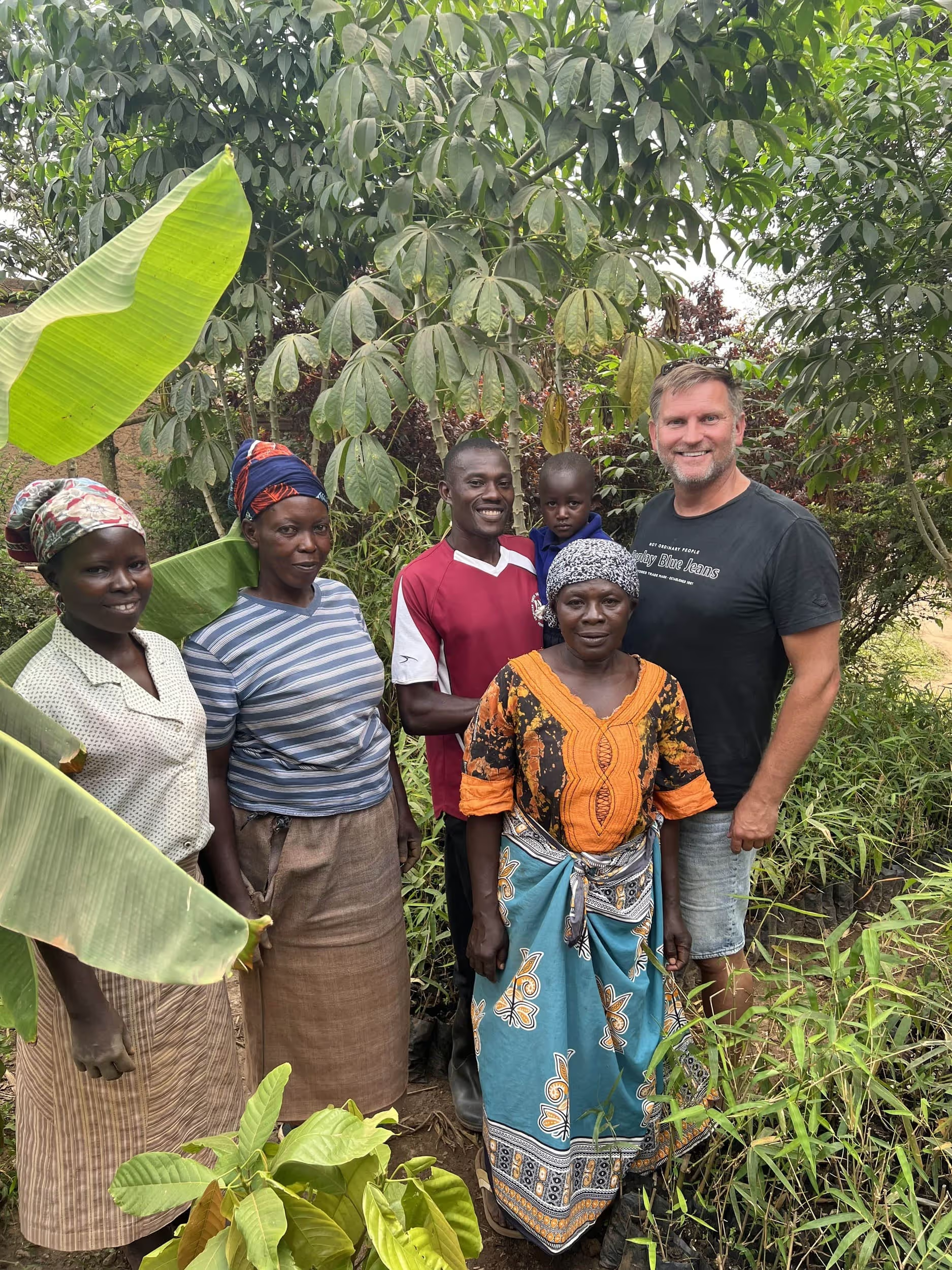


The plantations in Uganda
Bamboo Village operates at three plantation sites in Uganda, with nursery activities at the Masaka plantation. The first plantation was established in 2019 in Kiboga. Since then, operations have expanded to include nursery work, plantation development, and maintenance across multiple locations in Uganda. Together with local communities, the plantations are largely established and maintained by hand. In this way, the plantations contribute to job creation, landscape restoration, and the further development of bamboo as a valuable resource.
View our mission%20(1).png)

Why bamboo?
Bamboo absorbs CO2 rapidly, grows quickly, and is native to Africa. When local residents plant young bamboo, we ensure environmentally friendly cultivation practices. We do not use pesticides, maintenance is largely done by hand, and we utilize the river on our own land.
Biodiversity on the plantation is a top priority. We ensure the plantation is not clear-cut, maintain constant ground-covering vegetation, and take the initiative to preserve the wetland area on our property.

What we have achieved


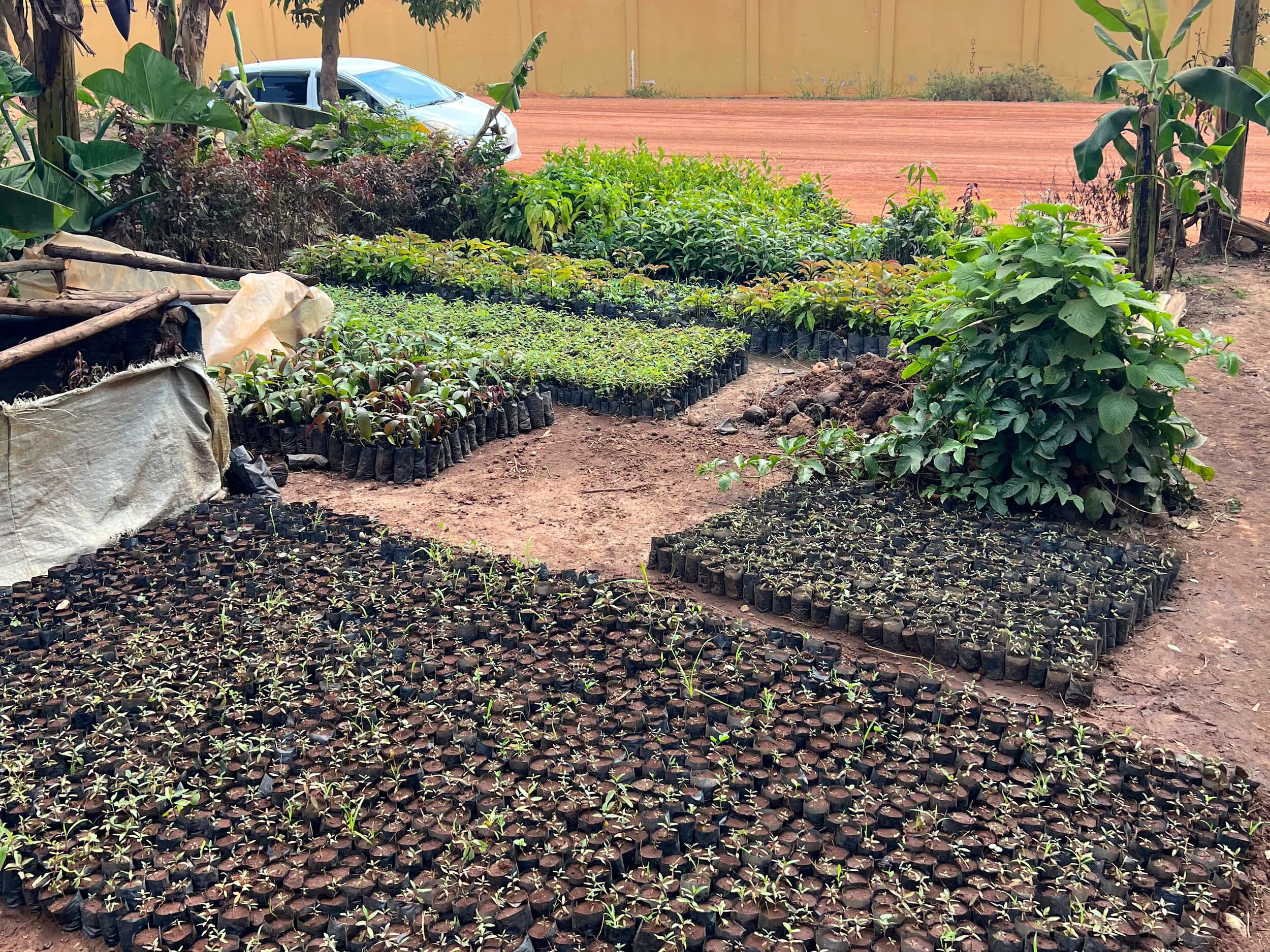

We invest a portion of the profits directly into the local community
We believe it is important for Bamboo Village to make a local impact. Your contribution supports local development in Uganda. The value created through our plantations contributes to employment, schools, and playgrounds. Looking ahead, we are working on broader applications for bamboo, including building materials and sustainable housing solutions. Each year, a portion of the bamboo plantation is carefully harvested. We use the harvested bamboo to build homes for villagers or to create building materials.
Working together
We are passionate about building Bamboo Village, fighting climate change, and improving lives in Uganda. Will you join us in contributing to a sustainable future?
More informationOur certificate
We are very proud that our plantation in Uganda has been certified by ONCRA for removing CO2 from the atmosphere. This allows us to contribute to the fight against climate change in a transparent way.
More about the certificate